
Managing sync licensing royalties at scale means you’re sending ACH to U.S. creators, wires to experienced artists, PayPal to new talent, and SWIFT transfers to international rights holders every single month. Each payment method comes with different processing times, fee structures, and compliance requirements that turn into bottlenecks without automation. When your royalty calculation system determines payouts, one API call should trigger disbursements across all these rails without your team touching a CSV file or banking portal.
TLDR:
- Sync royalties are one-time negotiated fees paid when music pairs with visual media, unlike recurring mechanical or performance royalties
- Each sync placement requires two separate licenses: one for composition rights and one for master recording rights
- Payment delays of 90 to 180 days are common, creating cash flow challenges for creators and reconciliation bottlenecks for platforms
- API-first payment systems cut disbursement time from weeks to days by automating payee onboarding and multicurrency transfers
- Routable handles mass royalty payouts via API across 220+ countries with automated tax collection and realtime tracking
What Are Synchronization Royalties and How Do They Work
Synchronization royalties are one-time fees paid when music is paired with visual media like TV shows, films, video games, ads, or streaming content. The term “sync” refers to synchronizing audio with video.
When a music supervisor or content producer wants to use a song, they negotiate a sync license with the rights holder. The fee depends on media type, distribution scope, and the song’s popularity. A 30-second ad during a major sporting event commands different rates than background music in an indie film.
Unlike mechanical or performance royalties, which recur with each stream or public play, sync royalties are negotiated project by project. This creates irregular payment flows for creators and complex disbursement logistics for payout management.
The Three Core Music Royalty Types: Sync vs. Mechanical vs. Performance
Music rights holders earn from three distinct royalty streams, each with its own payment structure and collection mechanism.
Who Pays Synchronization Royalties and Who Collects Them
Production companies, advertisers, streaming services, video game developers, and content creators pay sync fees directly to rights holders before using music in their projects. These entities negotiate licenses upfront, not through intermediaries like performance rights organizations.
Every sync placement requires two separate licenses: one for composition rights and one for master recording rights. The composition (the underlying song) belongs to the songwriter or music publisher. The master recording (the specific recorded version) belongs to the record label or artist who owns the recording. A Netflix show using a song pays both the publisher for composition rights and the label for master rights.
For companies managing thousands of sync placements across films, ads, or games, this dual-license structure doubles the disbursement workload. Each project requires separate payment runs to composition and master rights holders, each with different negotiated rates, currencies, and timing expectations.
Synchronization Licensing Market Growth and Revenue Trends
The sync licensing market reached USD 6.8 billion in 2024 and is projected to expand at a CAGR of 8.2% from 2025 to 2033, with revenues anticipated to hit USD 12.9 billion by 2033.
Content production across streaming services, gaming, and social media drives this growth. Every Netflix original, TikTok ad campaign, and AAA video game title creates dozens of new sync opportunities. Micro-sync licensing for social media creators is projected to grow 28% annually, with content for short-form video now accounting for over 40% of all new licensing requests.
More placements mean more revenue for creators and more disbursement complexity for the companies managing those payouts.
Creator economy businesses that once processed a few dozen sync payments per quarter now handle thousands. Each placement involves separate negotiations, currencies, tax jurisdictions, and payment timing expectations.
How Sync Licensing Rates Are Determined and Negotiated
Sync licensing operates without statutory rates. Every fee is negotiated case by case based on multiple factors.
Song recognition drives pricing power. A chart hit costs more than a new artist’s track. Media type matters. A global ad campaign pays more than a regional podcast intro. Distribution scope affects rates. Worldwide theatrical release versus festival-only screenings command different fees. Duration of use, exclusivity terms, and featured versus background placement all influence the final number.
This creates payment challenges for companies handling creator disbursements at scale. A single sync licensing company might process $500 for a student film placement, then $50,000 for a Super Bowl commercial in the same run.
Unlike mechanical royalties with consistent per-stream calculations, sync payments arrive as irregular lump sums tied to project timelines. Payout systems must handle recurring streams and unpredictable one-time fees across currencies, payment methods, and tax jurisdictions.
Payment Timing Challenges: The Gap Between Sync Placement and Creator Payouts
Sync deals close months before creators see payment. A song licensed in January for a spring ad campaign might not generate a check until summer or fall.
Production companies often hold payment until final project approval. If a TV episode gets re-edited or a game launch gets delayed, the payment timeline extends. Rights holders then batch their disbursements monthly or quarterly, adding weeks to the wait.
For creators, this lag creates cash flow uncertainty. A sync placement worth $5,000 might take 90 to 180 days to arrive, making financial planning difficult.
Companies managing hundreds of sync placements face bottlenecks. Manual payment runs create exception handling work when international transfers fail or tax documentation is missing. Tracking which creators have been paid for which placements becomes a reconciliation challenge without real-time status visibility.
API-first payment systems cut these timelines by automating payee onboarding, validating bank details upfront, and processing disbursements as soon as funds clear.
Managing High-Volume Creator Payouts in the Streaming Era
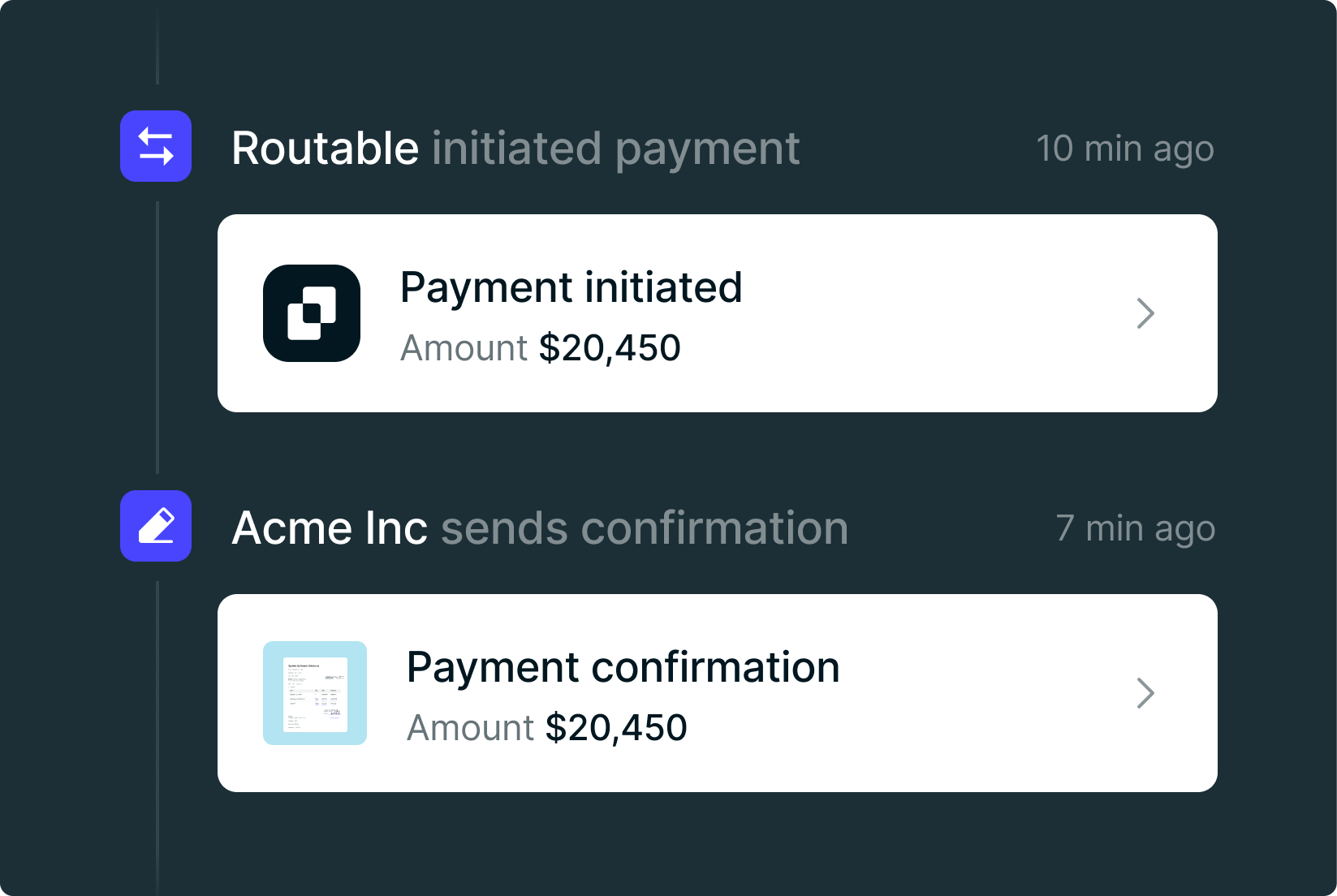
Streaming services, social apps, and creator marketplaces now process thousands of royalty payments monthly as sync placements grow across TikTok, YouTube, gaming, and original content.
At 5,000 creators across 40 countries, manual processing breaks down. Payment method preferences vary: experienced artists expect wires, newer creators prefer PayPal or instant ACH, international rights holders need local currency transfers.
International disbursements add compliance layers. Each country brings different banking and payment rail requirements. A single royalty run might include U.S. ACH, UK Faster Payments, and SWIFT transfers to Brazil, each with distinct processing and fee structures.
Tax compliance scales poorly without automation. W-9 collection for U.S. creators and W-8 series for international payees must happen before first payment. Missing or incorrect tax documentation creates 1099 filing gaps at year-end.
Rights holders expect transparent payment histories showing which placements generated which disbursements. Reconciliation between royalty calculation systems and actual payment status becomes a month-end bottleneck without real-time tracking across payment rails and currencies.
Automating Royalty Payments: APIs vs. Manual Processing for Creator Platforms
Manual royalty payments don’t scale. CSV batch uploads require downloading calculation exports, formatting payment files, uploading to banking portals, and tracking exceptions when transfers fail or tax documentation is missing.
API-first payment infrastructure automates this flow. When your royalty calculation system determines creator payouts, an API call triggers disbursements without manual file handling. Payment status, exception alerts, and reconciliation data flow back in real time.
For creators, API automation shortens payment cycles from weeks to days. Self-service payment method selection lets creators choose ACH, wire, PayPal, or local rails during onboarding. Real-time tracking eliminates support tickets.
APIs cut overhead by removing file preparation, upload workflows, and manual exception handling. Engineering teams integrate once, then disbursement volume grows without adding headcount.
How Routable Automates Mass Royalty Disbursements for Creator Platforms
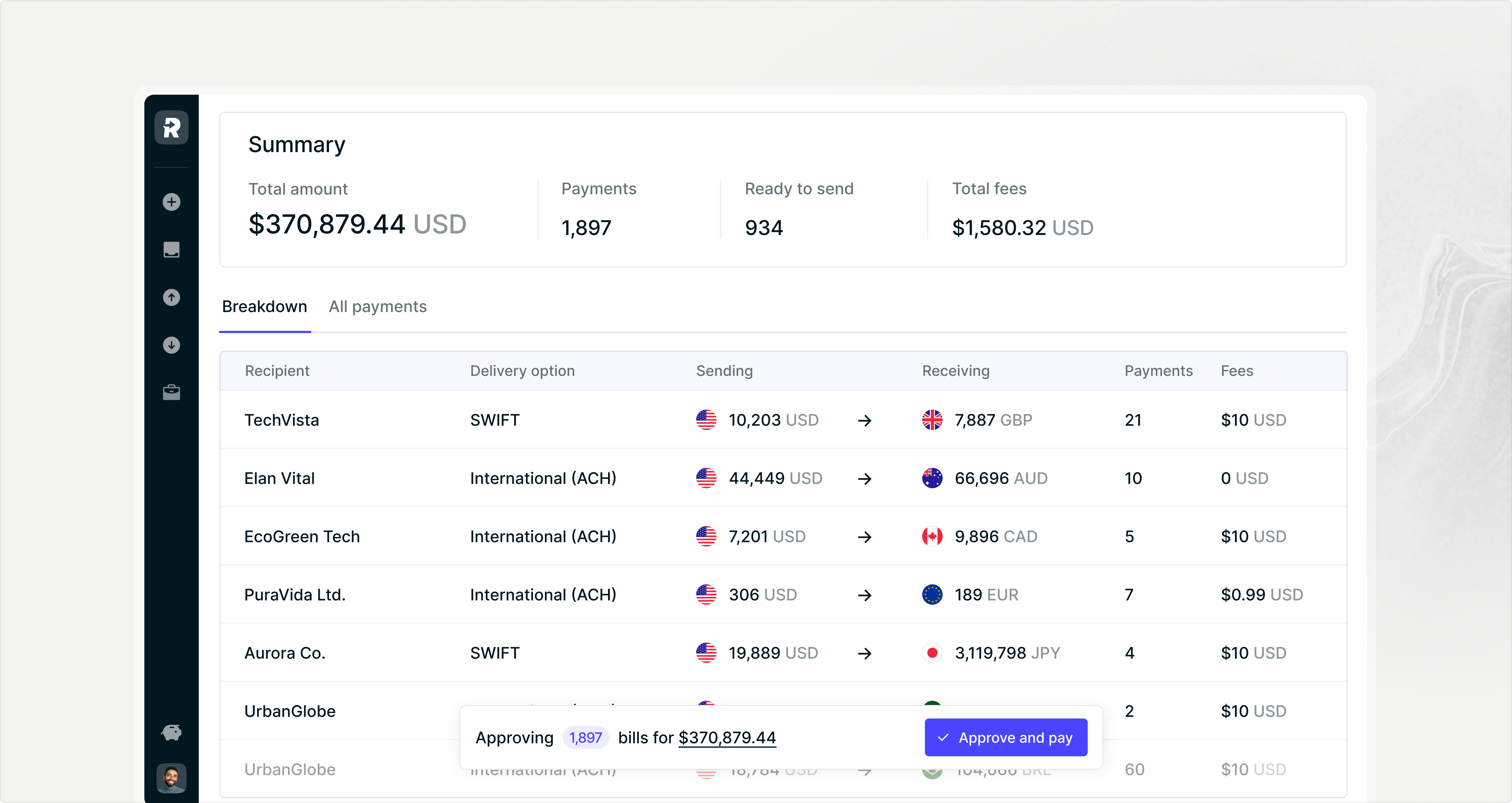
Routable’s API automates royalty disbursements directly from your calculation systems. One API call triggers payments across ACH, wire, international rails, or PayPal. CSV bulk uploads process thousands of creator payments in minutes with duplicate detection built in.
Support 220+ countries and 140+ currencies with transparent FX rates. Automated W-9 collection during onboarding generates 1099 data at year-end without documentation chases. White-labeled portals give creators self-service payment history, banking updates, and real-time tracking.
Bi-directional ERP sync with NetSuite and Sage Intacct maintains audit-ready records. Payment status flows back automatically as disbursements clear.
Final Thoughts on Synchronization Royalty Payments
Growing your sync licensing company means handling more placements, more creators, and more payment complexity across borders and currencies. Manual processes break down when you’re coordinating dual-license payments to composition and master rights holders in 40 different countries. Payment automation gives creators faster access to their money while your team gets real-time visibility into disbursement status, tax compliance, and reconciliation without the month-end scramble.
FAQ
What’s the difference between sync royalties and mechanical royalties?
Sync royalties are one-time negotiated fees paid when music is paired with visual media like films or ads, while mechanical royalties are recurring payments generated each time a song is reproduced through streaming, downloads, or physical copies. Sync payments arrive as irregular lump sums tied to specific projects, whereas mechanical royalties flow consistently based on usage metrics.
How long does it typically take for creators to receive sync royalty payments?
Creators often wait 90 to 180 days between when a sync deal closes and when payment arrives. Production companies frequently hold payment until final project approval, and rights holders typically batch disbursements monthly or quarterly, extending the timeline even when the licensing agreement is signed months earlier.
Do I need separate payments for the same song in a sync placement?
Yes. Every sync placement requires paying two distinct rights holders because recorded music has two copyrights. You’ll pay the songwriter or publisher for composition rights and separately pay the record label or artist for master recording rights, effectively doubling your disbursement workload for each placement.
When should a creator platform switch from manual to API-driven royalty payments?
When you’re processing thousands of monthly payments across multiple countries and payment methods, manual CSV uploads and exception handling become bottlenecks. API integration cuts payment cycles from weeks to days and eliminates file preparation overhead, letting your disbursement volume grow without adding headcount to your operations team.
Can Routable handle international sync royalty payments with different currencies?
Yes. Routable supports disbursements to 220+ countries in 140+ currencies through ACH, wire, local rails, or PayPal, with transparent FX rates. The platform automates W-8 and W-9 collection during creator onboarding and provides real-time tracking across all payment methods and jurisdictions in a single dashboard.